


When tasked with boosting digital sales margins, it is common to scrutinize fulfillment, customer service, and staffing levels. However, many leaders overlook ecommerce return costs, dismissing them simply as an expensive necessity.
Despite this, returns remain one of the most under-optimized areas in retail. While innovations like self-service portals, “no printer” carrier drop-offs and pickups, and instant refunds have enhanced the customer experience, they often increase operational expenses rather than reducing them. These features are essential for staying competitive, as a cumbersome returns process can significantly hinder conversion rates. Because ecommerce returns must remain frictionless for the customer, the real opportunity for optimization lies in refining the internal processes and strategy. The following write-up outlines best practices for transforming your returns from a neglected expense into an operational advantage.
Are you adopting an analytical approach to returns that mirrors your purchase evaluation strategy?
A significant oversight for many organizations is failing to analyze the returns experience with the same rigor applied to the initial purchase journey. Returns follow a complex path, moving through multiple customer touchpoints and internal operations before funds and inventory reach their final destination. To address this, you should establish a consistent practice of mapping and auditing the complete return journey. Consider the following actions to gain better visibility:
- Develop detailed journey maps to visualize every step.
- Define baselines and set specific targets for essential metrics.
- Analyze trends and tackle inefficiencies alongside purchase funnel optimizations.
Some organizations have gone so far as to designate a specific role or group to focus exclusively on ecommerce returns. Collaborate with your leadership and functional teams to design a model that provides the data necessary for informed optimization. Prioritizing this analysis, you will likely uncover immediate ways to lower the expenses tied to your returns process.
Is there an opportunity to reduce ecommerce returns volume altogether?
While reducing return rates might initially seem idealistic, a closer look often reveals underlying product issues that can be fixed. Customers rarely return items without cause; typically, returns stem from genuine dissatisfaction. To address this, organizations must ask whether they have the tools and processes to identify which items are returned most often and why. If such insights are currently lacking, several analytical options can provide the needed data.
However, data collection is only valuable if the organization is ready to take action. Although returns are often accepted as an unavoidable “cost of doing business,” you are not without recourse. For example, if an apparel business consistently sees returns due to sizing discrepancies, color mismatches with website imagery, or shipping damages, that feedback should directly influence product manufacturing or front-end digital experiences. Improvements might include more detailed sizing guides, more accurate images, or encouraging customer reviews with photos to better inform buyers.
For companies selling third-party products, they can manage quality control through vendor accountability. This may involve reviewing agreements to include quality standards, which could lead to penalties or the return of defective batches at the manufacturer’s expense if return thresholds are exceeded. Ultimately, the key is to leverage exposed data to make strategic decisions and capitalize on these optimization opportunities.
Is there room to optimize return processing within your fulfillment centers?
The objective here is not just achieving minor, incremental gains. Many organizations discover that while their broader fulfillment operations have advanced through automation and modern tooling, their return processes have remained stagnant for years. Often, these centers still rely on antiquated, multi-step manual procedures that require specialized training for resources.
To address these inefficiencies, you must evaluate the entire ecommerce return journey. If the costs of processing inbound customer returns are opaque, collaborate with your fulfillment partners to determine whether an investment in automation and updated tooling is warranted. Although these technological shifts require significant capital, your analysis may reveal that the long-term savings in cost per unit far outweigh the initial enablement expenses.
Are there strategic opportunities in where your returns are sent?
Standard practice often means setting up returns at a single facility and sending all returns there, even as the fulfillment network grows. And even when multiple sites can handle ecommerce returns, the routing logic is often basic, like just sending items back to wherever they originally shipped from.
While modern order management solutions have long used sophisticated, cost-based logic to optimize order fulfillment, many businesses fail to apply this same logic to returns. You may find your current system already has these advanced routing capabilities. Much like the initial sale, every return has a measurable impact on your margins. Determining the optimal destination on a case-by-case basis is essential for protecting your bottom line.
Is it financially logical to ship back items that cost more to process than their actual value?
Handling returns for low-cost or low-price items is a straightforward decision: avoid shipping them back. If transportation and processing costs exceed the cost of a direct refund, not requiring return shipment is the more economical choice.
To mitigate the risk of fraud and exploitation, organizations should establish clear rules for identifying which returns qualify for this “keep it” policy. Using tools that monitor fraudulent purchase behaviors can help assess risk levels. Additionally, establishing monitoring systems to track return frequency by customer, particularly those not sent back, allows for targeted action if suspicious patterns emerge within specific customer profiles.
How can you minimize Customer Care Team involvement in returns?
The total cost to serve within customer care centers is frequently inflated by the returns process, particularly when every return necessitates interaction with a customer service representative (CSR). Such requirements introduce significant human labor costs to each transaction. These expenses can be mitigated through even rudimentary self-service alternatives. Whether developed in-house, provided by current platforms, or enhanced by specialized third-party tools, self-service options align with modern consumer preferences; most customers would rather avoid calling for order-related issues. Organizations lacking these automated return channels should prioritize implementing them now to stay aligned with industry standards.
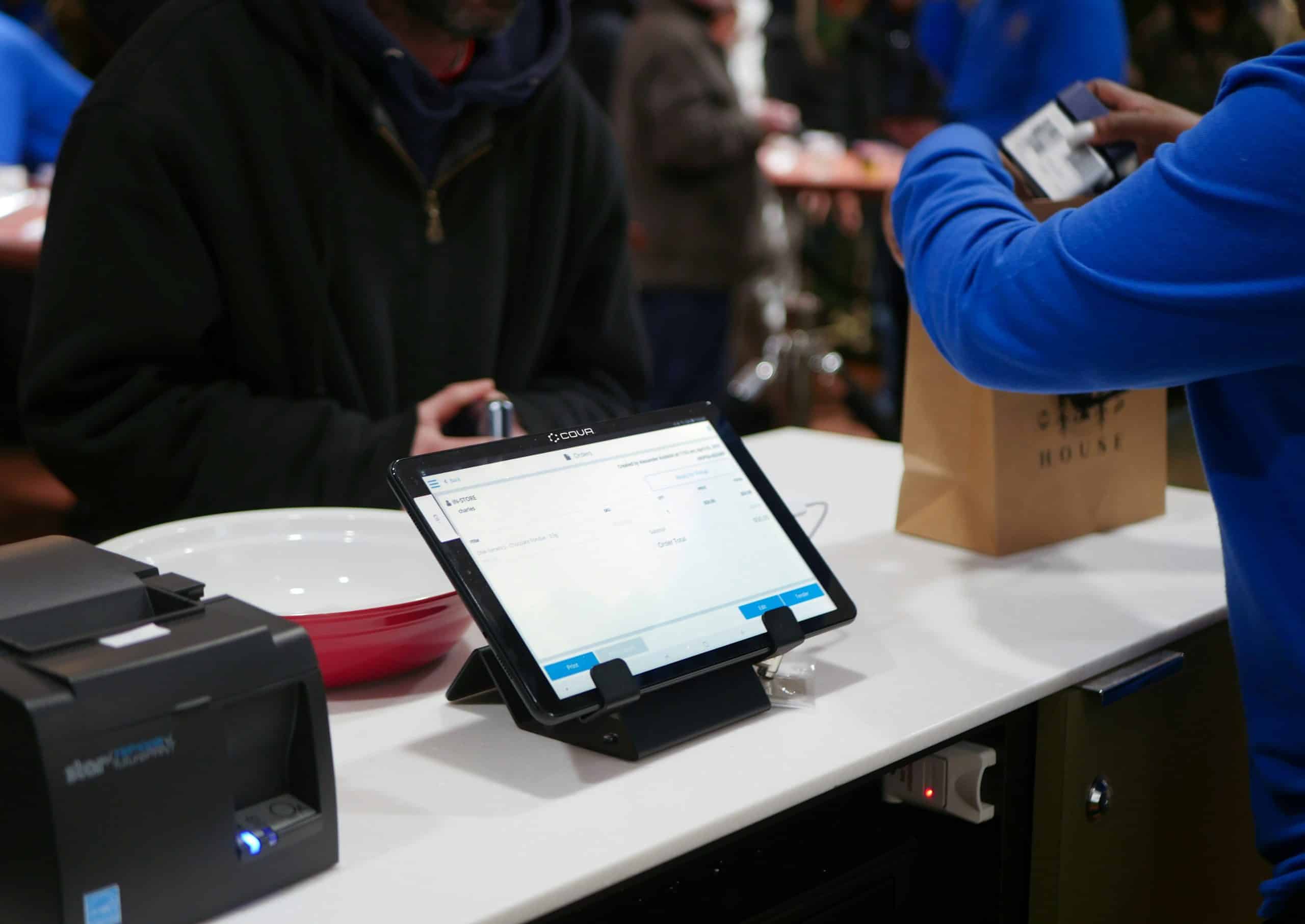
What is The Retail Store Impact of Online Returns?
Retailers who decline in-store returns for online orders often miss valuable chances to enhance customer experience and capitalize on store foot traffic. However, those who do permit store returns must consider the operational strain. Many retailers have adopted POS integration or mobile tools to assist with these transactions. Nevertheless, a return remains more time-intensive than a purchase because it requires order lookup, physical inspection, item selection, and refund processing, plus potential discussions about the return policy and the reason for the return. When these returns happen at the main checkout counter, the lines that form can turn away shoppers, hurting store conversion as customers give up on their purchases due to long wait times.
To mitigate these effects, retailers can explore several strategic alternatives:
- Dedicated Service Lines: Establishing a specific queue for ecommerce returns can protect purchase transactions, though it requires adequate staffing.
- Return Drop-off Experiences: Customers can initiate the process online by selecting items and a specific store location. Upon arrival, they simply scan into a dedicated kiosk or drop the items with an employee using a mobile device. This allows staff to evaluate the units later during off-peak hours before refunding the customer, reducing disruption to the shopping floor.
- Return to Store Shipping: For organizations with specialized in-store operations teams, stores can serve as shipping destinations for returns. While this makes things easier for the customer and keeps the sales floor clear, it usually only works when a dedicated team can handle the workload without adding to the load on general sales staff.
Take action now and mitigate the financial burden of ecommerce returns and bolster profit margins. Selecting the right strategy for your organization begins with a data-driven analysis of the return order lifecycle to pinpoint specific areas for improvement. Once you identify these opportunities, integrate them into your strategic planning and resource allocation. Rather than viewing returns as an unchangeable expense, treat them as a variable cost you can optimize through proactive management.